

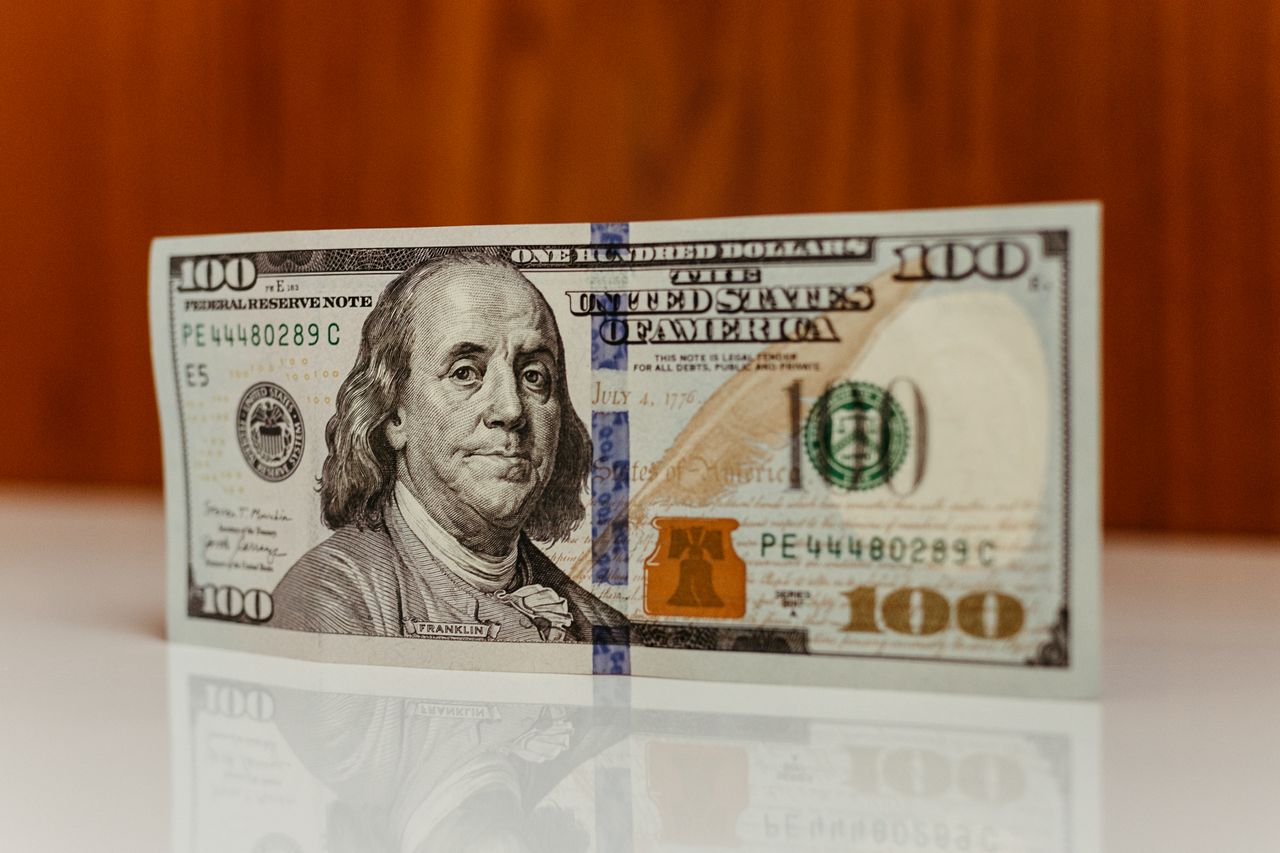
The dominance of the U.S. dollar in global trade is once again under scrutiny as several central banks continue efforts to diversify their foreign exchange reserves. While the dollar remains the world’s primary reserve currency, countries are gradually increasing holdings of gold and other currencies, fueling debate over the future of the greenback’s global dominance.
Financial analysts say the trend is not an immediate threat to the U.S. dollar, but it reflects a long-term shift in how some governments are managing geopolitical and financial risks.
Why Are Countries Reducing Dollar Dependence?
Several factors are driving the trend:
- Rising geopolitical tensions.
- Increased use of economic sanctions.
- Growing gold purchases by central banks.
- Expansion of bilateral trade in local currencies.
- Efforts by emerging economies to diversify reserve assets.
Although these developments have attracted attention, the U.S. dollar still accounts for the largest share of global foreign exchange reserves and international trade settlements.
Is the Dollar Losing Its Global Crown?
Not yet.
The U.S. dollar continues to dominate:
- International trade settlements
- Global banking transactions
- Commodity pricing (including oil)
- Foreign exchange reserves
- U.S. Treasury markets
Experts believe replacing the dollar would require another currency to offer the same liquidity, stability, legal framework, and financial market depth—something no alternative currently matches.
What Does This Mean for Investors?
A gradual diversification away from the dollar could influence:
- Gold prices
- Currency markets
- U.S. Treasury demand
- Emerging market currencies
- International investment flows
However, economists caution against interpreting diversification as “de-dollarization.” The process, if it continues, is expected to unfold over many years rather than causing a sudden shift.
Why Wall Street Is Watching Closely
Major investment firms are monitoring reserve trends because sustained reductions in global demand for U.S. assets could eventually affect Treasury yields, borrowing costs, and the dollar’s exchange rate.
For now, most analysts believe the dollar remains the world’s most trusted reserve currency, but increasing reserve diversification has become one of the most closely watched long-term macroeconomic trends.
Finbite Analysis
The conversation is no longer about whether the U.S. dollar will lose its reserve currency status tomorrow—it is about whether its dominance will gradually decline over the next decade. As central banks continue adding gold and diversifying reserves, investors should pay close attention to long-term shifts in global capital flows rather than short-term headlines.