

Introduction
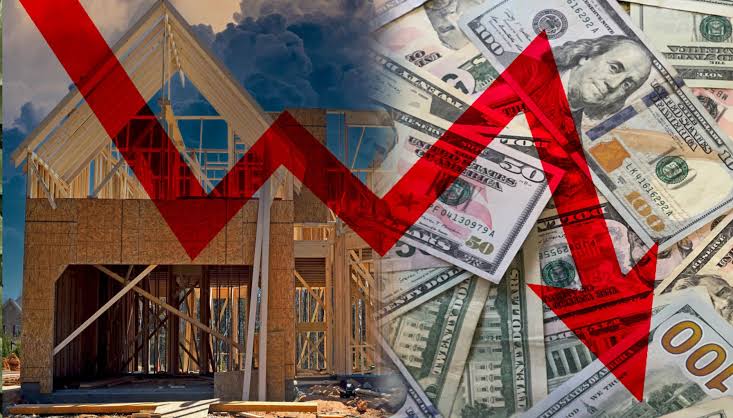
The possibility of a U.S. recession often creates uncertainty across financial markets, but few areas attract as much attention as housing. For millions of American families, a home is not only a place to live but also their largest financial asset. For investors, real estate represents an important part of long-term wealth creation. This is why concerns about an economic slowdown naturally raise an important question: Could a recession cause U.S. property prices to collapse?
The answer is more complicated than a simple yes or no. Economic recessions can weaken housing demand, increase unemployment, reduce consumer confidence, and make households more cautious about major financial decisions. All of these factors can put downward pressure on home prices. However, a recession does not automatically result in a nationwide housing market crash.
The U.S. housing market is influenced by several forces at the same time. Mortgage rates, employment conditions, housing inventory, household income, lending standards, construction activity, population movement, and Federal Reserve policy can all determine whether property prices rise, remain stable, or decline.
The memory of the 2008 financial crisis continues to influence the way Americans think about housing downturns. During that period, falling home prices, risky mortgages, excessive borrowing, and widespread foreclosures contributed to one of the most severe economic crises in modern American history. However, every economic slowdown is different, and the structure of the housing market can change significantly over time.
If the U.S. economy enters a recession, some property markets could experience meaningful price declines. Other areas may remain relatively stable because of limited housing supply or strong local demand. The final outcome would depend heavily on the depth of the recession, the strength of the labor market, mortgage costs, and the financial condition of American homeowners.
Understanding these factors is essential for homebuyers, property owners, investors, banks, and anyone watching the direction of the U.S. economy.
How a U.S. Recession Could Put Pressure on the Housing Market
One of the biggest ways a recession can affect housing is through employment. When economic activity slows, companies may reduce hiring, cut working hours, delay expansion plans, or eliminate jobs. Rising unemployment can quickly weaken demand for expensive purchases, particularly homes.
Buying a property usually requires confidence about future income. A household may be financially capable of purchasing a home today, but uncertainty about employment can cause potential buyers to delay their decision. When thousands or millions of households behave this way, housing demand can decline.
Lower demand can create problems for sellers. Homes may remain on the market for longer periods, buyers may gain more negotiating power, and sellers may have to reduce asking prices.
Consumer confidence is another important factor. During periods of economic uncertainty, families often become more cautious with money. Instead of making large purchases, they may increase savings and reduce debt. Even households with stable employment may postpone buying property because they fear that economic conditions could deteriorate.
Banks and mortgage lenders can also become more cautious during recessions. If lenders believe unemployment and loan defaults could increase, mortgage approval standards may become stricter. Borrowers with lower credit scores, irregular income, or high debt levels could find it more difficult to qualify for financing.
This combination of weaker demand and tighter credit conditions can place downward pressure on housing activity.
A severe recession could create an additional problem: forced selling.
If unemployment rises significantly, some homeowners may struggle to make mortgage payments. Financially stressed households could be forced to sell their properties. If large numbers of homes enter the market while buyer demand remains weak, housing inventory could rise rapidly.
This imbalance between supply and demand could push prices lower.
However, the size of the decline would probably vary significantly across the country. The United States does not have a single housing market. Property conditions in New York, Florida, Texas, California, Arizona, Ohio, and other regions can be very different.
Cities that experienced rapid price growth and heavy investor activity could be more vulnerable to corrections. Areas with strong employment, population growth, and limited housing supply could prove more resilient.
Commercial real estate could also face pressure during an economic slowdown. Office buildings, retail properties, hotels, and other commercial assets depend heavily on business activity. A recession could reduce occupancy rates and rental income, creating additional challenges for property owners and financial institutions.
The impact of an economic downturn would therefore depend not only on national economic conditions but also on local housing fundamentals.
Why the Next Housing Downturn May Be Different From the 2008 Crash
Whenever concerns about the U.S. housing market increase, comparisons with the 2008 financial crisis quickly appear. However, there are important reasons why a future recession would not necessarily produce the same outcome.
The 2008 crisis was closely connected to serious weaknesses within the housing and financial systems. Risky mortgage lending expanded rapidly before the crisis. Many borrowers received loans they could not realistically afford, while complex financial products spread mortgage-related risks throughout the banking system.
When property prices started falling and mortgage defaults increased, financial institutions suffered enormous losses. Foreclosures added more properties to the market, creating additional downward pressure on home values.
The current structure of the housing market has several important differences.
Mortgage lending standards have generally become more disciplined compared with the years before the global financial crisis. Many homeowners have stronger financial positions, and a significant number locked in long-term mortgages at relatively attractive interest rates during earlier periods.
This creates what is sometimes described as a mortgage lock-in effect.
Homeowners with low mortgage rates may be reluctant to sell their properties because purchasing another home could require taking a new mortgage at a higher rate. This can reduce the number of homes available for sale.
Limited inventory can provide support for property prices even when demand weakens.
This is one of the biggest reasons why a recession does not automatically mean a housing crash. For prices to fall dramatically across the country, the market would probably need a significant increase in available homes combined with a major reduction in buyer demand.
A serious rise in unemployment could potentially create these conditions, but a mild recession might not.
Another important difference involves home equity. Property prices increased substantially in many parts of the country over previous years, helping homeowners build equity.
A homeowner with substantial equity has more financial flexibility than someone who owes more on a mortgage than the property is worth. This could reduce the risk of widespread distressed selling.
The banking system also operates under a different regulatory environment than it did before the 2008 crisis. Financial institutions face stronger capital and risk-management requirements, although risks can never be completely eliminated.
None of these factors guarantee that property prices will continue rising.
Housing affordability remains a major concern. High home prices combined with expensive mortgage financing have made buying property difficult for many households. First-time buyers can be particularly vulnerable to these affordability challenges.
If the economy weakens while housing remains expensive, demand could decline further.
The result may be a housing correction rather than a nationwide crash.
In a correction, property prices may fall moderately in certain markets, transactions may decline, and sellers may need to become more flexible. A crash would involve much larger price declines, severe financial stress, widespread foreclosures, and potentially significant problems within the banking system.
Understanding the difference between these scenarios is essential when evaluating recession risks.
What Could Happen to Property Prices, Mortgage Rates, Buyers, and Investors
The direction of U.S. property prices during a recession would depend heavily on how the Federal Reserve responds to economic weakness.
When economic growth slows significantly, the Federal Reserve may eventually consider lowering interest rates, particularly if inflation is under control. Lower interest rates can influence borrowing costs throughout the economy.
Mortgage rates do not move exactly with the Federal Reserve’s policy rate, but expectations about inflation, economic growth, and monetary policy can affect mortgage markets.
If mortgage rates decline significantly during a recession, housing affordability could improve for some buyers.
Consider a household that previously avoided buying a home because monthly mortgage payments were too expensive. Lower borrowing costs could make the same property more affordable, potentially bringing buyers back into the market.
This could provide support for housing demand and reduce downward pressure on property prices.
However, lower mortgage rates alone may not be enough to prevent price declines.
If unemployment is rising rapidly, consumers may remain unwilling to make major purchases regardless of cheaper financing. Job security could become more important than interest rates.
The interaction between mortgage rates and employment conditions would therefore be critical.
For homebuyers, a recession could create both opportunities and risks.
Potential opportunities include lower property prices, greater negotiating power, more seller concessions, and possibly cheaper mortgage financing. Buyers who have stable employment and strong financial positions could find attractive opportunities in weaker markets.
The risks, however, should not be ignored.
Buying a property during an economic downturn can become dangerous if a household has uncertain income, limited emergency savings, or excessive debt. Property prices could continue declining after the purchase, and selling the home quickly could become difficult.
For existing homeowners, the impact would depend on individual circumstances.
Owners who purchased homes years earlier and accumulated significant equity may be able to tolerate temporary price declines. Homeowners who recently bought properties with small down payments could face greater risks if prices fall sharply.
Real estate investors would also need to evaluate market conditions carefully.
A recession can create opportunities to purchase properties at lower prices, but rental income and occupancy rates could also come under pressure. Investors who depend heavily on debt could face difficulties if property values decline or financing becomes more expensive.
Cash-rich investors may have an advantage during periods of market weakness because they can purchase assets without relying heavily on credit.
Regional differences would become extremely important.
Some housing markets could experience substantial declines because prices rose too quickly compared with local incomes. Other markets could remain stable because of strong population growth and limited construction.
Areas heavily dependent on a single industry could face greater risks if that industry experiences significant job losses.
For example, technology-focused cities could face housing pressure during major layoffs in the technology sector. Energy-dependent regions could struggle during a collapse in commodity prices. Tourism-heavy markets could weaken if consumers reduce travel spending.
At the same time, regions with diversified economies and persistent housing shortages may remain more resilient.
The luxury property market could also behave differently from the broader housing sector. Wealthy buyers are less dependent on traditional mortgage financing, but falling stock markets and weaker business conditions could reduce demand for expensive properties.
The rental market would also be affected.
If potential buyers postpone purchasing homes, rental demand could increase. However, severe unemployment could make it difficult for tenants to afford higher rents.
Homebuilders represent another important part of the housing market.
During a recession, construction companies may reduce new projects because of weaker demand. Lower construction activity can limit future housing supply, which may eventually help stabilize prices.
This creates a complicated cycle.
Economic weakness can reduce housing demand, but it can also reduce new construction. If the economy later recovers while housing supply remains limited, property prices could begin rising again.
For this reason, the long-term housing outlook may look very different from short-term recession conditions.
Investors and homebuyers should therefore avoid assuming that every recession creates the same real estate opportunities.
The severity and duration of the economic downturn, changes in employment, mortgage rates, housing inventory, consumer confidence, and regional economic conditions would all influence the final outcome.
Conclusion
A U.S. recession could certainly put pressure on the housing market, but an economic downturn would not automatically create a nationwide property crash.
The greatest risks would emerge if several negative forces occurred simultaneously.
A sharp increase in unemployment could reduce buyer demand and force financially stressed homeowners to sell. Tight credit conditions could make mortgage financing more difficult. Falling consumer confidence could encourage households to postpone property purchases. If these developments caused housing inventory to rise rapidly, home prices could experience significant declines.
However, there are also forces that could support the market.
Limited housing supply, homeowner equity, stronger lending standards, and the large number of owners holding long-term mortgages could reduce the risk of widespread forced selling. Lower interest rates during an economic slowdown could eventually improve housing affordability and attract some buyers back into the market.
The most likely outcome of a recession may therefore not be a repeat of the 2008 housing crisis.
Instead, the United States could experience a highly uneven housing correction.
Property prices could fall sharply in some cities while remaining relatively stable in others. Expensive markets that experienced rapid price growth could face greater pressure. Regions with strong employment, population growth, and housing shortages could perform better.
For buyers, a weaker market could create opportunities, but financial stability would remain essential. Lower property prices are not necessarily attractive if unemployment is rising and household income is uncertain.
For homeowners, short-term price declines may be less important for those planning to hold properties for many years. For investors, recession conditions could create buying opportunities, but careful analysis of debt, rental demand, local employment, and property supply would become increasingly important.
Ultimately, the future of U.S. property prices will depend on the relationship between the economy, employment, mortgage rates, and housing inventory.
A recession could weaken the housing market. A severe downturn could cause meaningful price declines. But without widespread forced selling, excessive housing supply, and serious financial-system stress, a nationwide crash similar to 2008 may be far from inevitable.
The central question is therefore not simply whether the United States enters a recession.
The more important question is how deep that recession becomes, how many jobs are lost, how policymakers respond, and whether financially stressed homeowners are forced to put large numbers of properties on the market.
Those factors could ultimately determine whether the next U.S. housing downturn becomes a temporary correction, a prolonged period of stagnation, or something far more serious.