
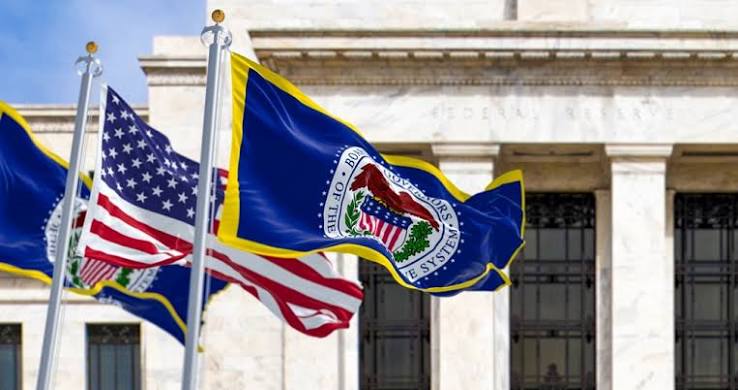
The Federal Reserve’s fight against inflation may be entering a new phase.
Fresh U.S. economic data released this week showed that inflation remains significantly above the Fed’s long-term 2% target, forcing investors to rethink expectations for interest rate cuts later this year. Instead, many analysts now believe another rate hike is becoming increasingly likely.
Financial markets reacted immediately. Treasury yields climbed, the U.S. dollar strengthened, and investors began adjusting portfolios for the possibility of tighter monetary policy.
The shift has created fresh uncertainty across Wall Street as businesses, consumers, and investors prepare for a higher-interest-rate environment that could last longer than previously expected.
Why Inflation Is Still a Problem
Over the past two years, the Federal Reserve has aggressively raised interest rates in an effort to slow inflation.
While price pressures have eased compared to their peak, inflation remains stubbornly above the central bank’s target.
Several factors continue to keep inflation elevated:
- Strong consumer spending
- Rising service-sector prices
- Higher wages
- Energy market uncertainty
- Supply-chain disruptions linked to geopolitical tensions
Because inflation remains persistent, Federal Reserve officials have repeatedly stated that they would rather keep rates high than risk another inflation surge.
What Another Rate Hike Could Mean
If the Fed raises rates again, borrowing money will become more expensive across the economy.
Consumers may experience:
- Higher mortgage rates
- More expensive auto loans
- Increased credit card interest
- Costlier personal loans
Businesses could also face rising financing costs, making expansion projects and hiring decisions more challenging.
Small businesses, in particular, often feel the impact of higher interest rates more quickly than larger corporations.
Wall Street Is Preparing for More Volatility
Stock investors are closely watching every economic report before the Fed’s next meeting.
Higher interest rates generally reduce company valuations because future profits become less valuable when borrowing costs increase.
Technology companies are often the most sensitive because many depend on future growth.
Sectors that could face pressure include:
- Technology
- Real Estate
- Consumer Discretionary
- Small-Cap Growth Stocks
Meanwhile, financial companies, insurance firms, and defensive sectors may perform relatively better if rates remain elevated.
Dollar Strength Could Reshape Global Markets
A more aggressive Federal Reserve usually strengthens the U.S. dollar.
A stronger dollar creates challenges for emerging economies by making imports more expensive and increasing the cost of servicing dollar-denominated debt.
Countries like India could experience:
- Foreign institutional investor (FII) outflows
- Pressure on the Indian Rupee
- Increased import costs
- Volatility in equity markets
Commodity prices such as crude oil and gold may also fluctuate as investors respond to changing expectations for U.S. monetary policy.
What It Means for American Consumers
Millions of Americans are already paying significantly higher borrowing costs than they were just a few years ago.
If another rate hike occurs:
- Monthly mortgage payments could rise.
- Home affordability may decline.
- Business investment could slow.
- Consumer spending may gradually weaken.
However, keeping inflation under control remains the Fed’s primary objective because persistent inflation ultimately reduces household purchasing power.
Key Economic Reports Investors Are Watching
Several major economic releases over the coming weeks could determine the Fed’s next move:
- Nonfarm Payrolls
- Unemployment Rate
- Consumer Price Index (CPI)
- Producer Price Index (PPI)
- Retail Sales
- Consumer Confidence
- ISM Manufacturing PMI
- Services PMI
These reports will provide a clearer picture of whether inflation is cooling or whether additional policy tightening is necessary.
What Analysts Are Saying
Market economists believe the Federal Reserve remains heavily dependent on incoming data.
If inflation continues to surprise on the upside while the labor market remains resilient, policymakers may choose another interest rate increase before considering any future rate cuts.
Many analysts now expect financial markets to remain volatile throughout the second half of the year as investors respond to every major inflation and employment report.
Investment Outlook
Long-term investors should avoid reacting emotionally to short-term headlines.
Periods of higher interest rates often create opportunities in:
- Dividend-paying companies
- High-quality financial institutions
- Defensive consumer businesses
- Healthcare
- Energy
Diversification remains one of the most effective strategies during uncertain monetary policy cycles.
Conclusion
The Federal Reserve’s battle against inflation is far from over. With inflation remaining stubbornly above target, expectations for another interest rate hike are growing stronger.
The coming weeks could prove critical for financial markets as investors monitor every major economic report for clues about the Fed’s next decision.
Whether rates move higher or remain unchanged, one thing is becoming increasingly clear—markets are entering a period where economic data will drive every major investment decision.