
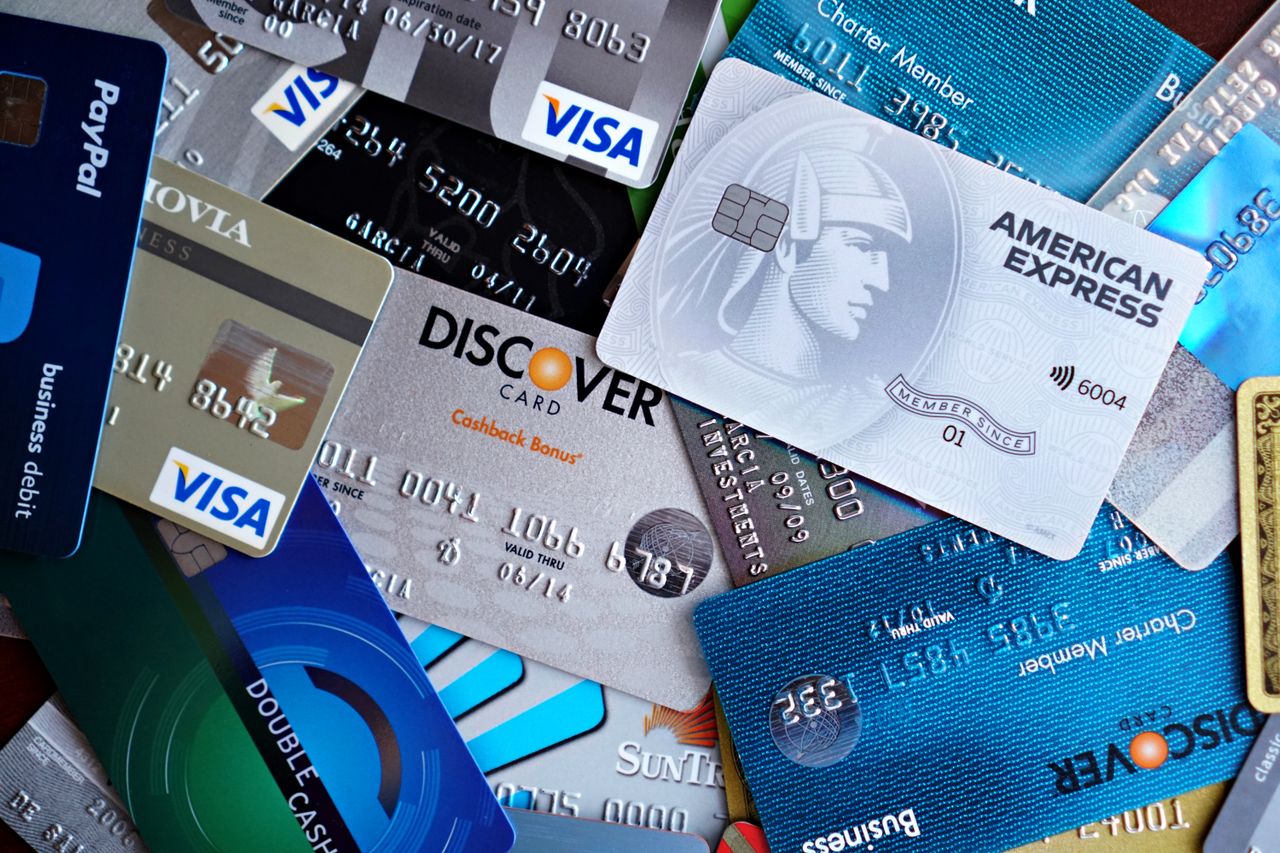
America’s consumer debt crisis is back in the spotlight as U.S. credit card balances remain near record highs, raising concerns that millions of households are relying on borrowing to cover everyday expenses. With interest rates still elevated and inflation squeezing budgets, economists warn that rising debt could become one of the biggest risks to the U.S. economy in the second half of 2026.
Financial experts say consumers are increasingly using credit cards not just for discretionary spending, but also for essentials such as groceries, fuel, rent-related expenses, and healthcare. At the same time, credit card interest rates remain near historic highs, making it more expensive than ever to carry unpaid balances.
Why Is Credit Card Debt Rising?
Several factors are pushing Americans to borrow more:
- High inflation has increased the cost of everyday living.
- Interest rates remain elevated after aggressive Federal Reserve tightening.
- Household savings built during the pandemic have declined.
- Wage growth has slowed compared with previous years.
- Consumers continue spending despite higher borrowing costs.
Economists believe these factors have created a difficult environment where many households are relying on credit simply to maintain their standard of living.
Delinquencies Are Starting to Increase
One of the biggest concerns is the steady rise in credit card delinquencies.
Banks have reported that more borrowers are falling behind on monthly payments, particularly among younger consumers and lower-income households.
While delinquency rates remain below crisis levels, analysts say the trend is worth watching because consumer spending accounts for nearly 70% of U.S. economic activity. A sustained slowdown in spending could weigh on overall economic growth.
Could This Hurt the U.S. Economy?
If households become overwhelmed by debt, the consequences could include:
- Lower consumer spending.
- Slower retail sales.
- Higher loan defaults.
- Pressure on bank earnings.
- Weaker GDP growth.
Consumer health has been one of the strongest pillars of the U.S. economy over the past two years. Any significant weakening could quickly become a major concern for investors and policymakers.
What Investors Should Watch
Over the coming weeks, Wall Street will closely monitor:
- Consumer confidence reports.
- Retail sales data.
- Credit card delinquency trends.
- Inflation figures.
- Federal Reserve policy decisions.
- Earnings from major U.S. banks and credit card companies.
These indicators will provide important clues about the financial health of American consumers.
Finbite Analysis
The U.S. economy has remained resilient largely because consumers have continued spending. However, if rising credit card debt and higher borrowing costs begin to reduce household spending, it could mark the beginning of a broader economic slowdown. For investors, consumer debt has become one of the most important indicators to watch in 2026.