
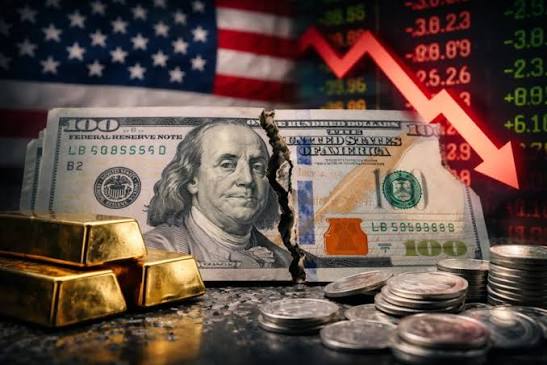
The U.S. economy continues to show resilience in mid-2026, supported by solid consumer spending, steady employment, and continued business investment. However, rising inflation and uncertainty over future Federal Reserve policy are creating fresh challenges for financial markets.
Recent market activity highlights a growing disconnect between the real economy and Wall Street. While economic indicators remain relatively strong, investors have become more cautious as inflation pressures persist and expectations around interest rates continue to shift.
Inflation Remains a Key Concern
Inflation has stayed above the Federal Reserve’s long-term target, keeping policymakers focused on price stability. Although economists remain divided on whether additional rate hikes will be necessary, many expect the central bank to keep interest rates unchanged for the remainder of the year while monitoring incoming economic data.
Higher borrowing costs continue to affect consumer loans, mortgages, and business financing, making inflation one of the biggest risks for the U.S. economy in the second half of 2026.
Stock Market Faces Pressure
Despite healthy economic growth, U.S. stock markets have experienced increased volatility. Technology stocks have come under pressure as investors reassess high valuations, AI-related spending, and the possibility of tighter monetary policy.
At the same time, some semiconductor and infrastructure companies continue to attract investor interest due to growing demand for artificial intelligence and data center expansion.
Outlook
The U.S. economy remains one of the strongest among major developed economies, but inflation, Federal Reserve decisions, and corporate earnings will likely determine market direction over the coming months. Investors are expected to closely watch upcoming economic reports before making major investment decisions.