

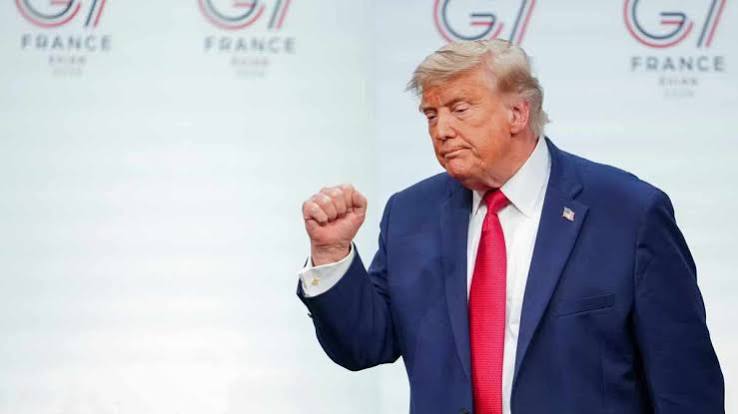
Washington, D.C. | Finbite | June 25, 2026
President Donald Trump is intensifying his administration’s economic agenda by promoting a new “America First” trade strategy aimed at rebuilding U.S. manufacturing, reducing dependence on foreign supply chains, and strengthening the country’s industrial base.
Speaking through Treasury Secretary Scott Bessent at the Economic Club of New York, the administration argued that economic security is national security, emphasizing that the United States can no longer rely heavily on overseas production for critical goods such as semiconductors, pharmaceuticals, rare earth minerals, and strategic technologies.
A New Direction for the U.S. Economy
The Trump administration says decades of globalization weakened America’s manufacturing sector and increased dependence on geopolitical rivals.
Under the new strategy, Washington plans to focus on:
- Expanding domestic manufacturing.
- Strengthening critical supply chains.
- Increasing investment in strategic industries.
- Promoting fair and reciprocal trade agreements.
- Reducing dependence on countries considered national security risks.
Tariffs Remain a Key Part of Trump’s Plan
The administration continues to defend tariffs as an economic tool rather than simply a trade measure.
Officials argue that tariffs encourage companies to manufacture inside the United States, create American jobs, and reduce unfair competition from foreign producers.
Business groups remain divided. Supporters believe tariffs will revive U.S. industry, while critics warn they could increase costs for businesses and consumers if maintained for an extended period.
Wall Street Is Watching Closely
Investors believe Trump’s economic agenda could create opportunities in sectors such as:
- Industrial manufacturing
- Defense
- Infrastructure
- Semiconductors
- Critical minerals
- Energy
However, companies that rely heavily on imported goods may continue facing uncertainty if trade restrictions expand further.
What Could This Mean for Markets?
If the administration successfully implements its economic strategy:
- U.S. manufacturing investment could increase.
- Domestic industrial companies may benefit.
- Supply-chain diversification could accelerate.
- Trade negotiations with key partners may become more aggressive.
- Market volatility could rise whenever new tariff announcements are made.
Why This Story Is Trending
The administration’s renewed focus on reshoring manufacturing and using tariffs has become one of the biggest themes in U.S. economic policy. Investors are debating whether these measures will strengthen America’s industrial base or lead to higher costs and slower global trade.
The policy is expected to remain a major topic for Wall Street throughout 2026 as businesses adjust their long-term investment strategies.
Finbite Analysis
Trump’s latest economic push signals that trade policy is no longer just about imports and exports—it is becoming a core part of America’s national economic strategy.
If successful, the plan could boost domestic manufacturing and create new investment opportunities. However, it may also increase geopolitical tensions and keep global markets on edge as investors react to future tariff decisions and trade negotiations.