
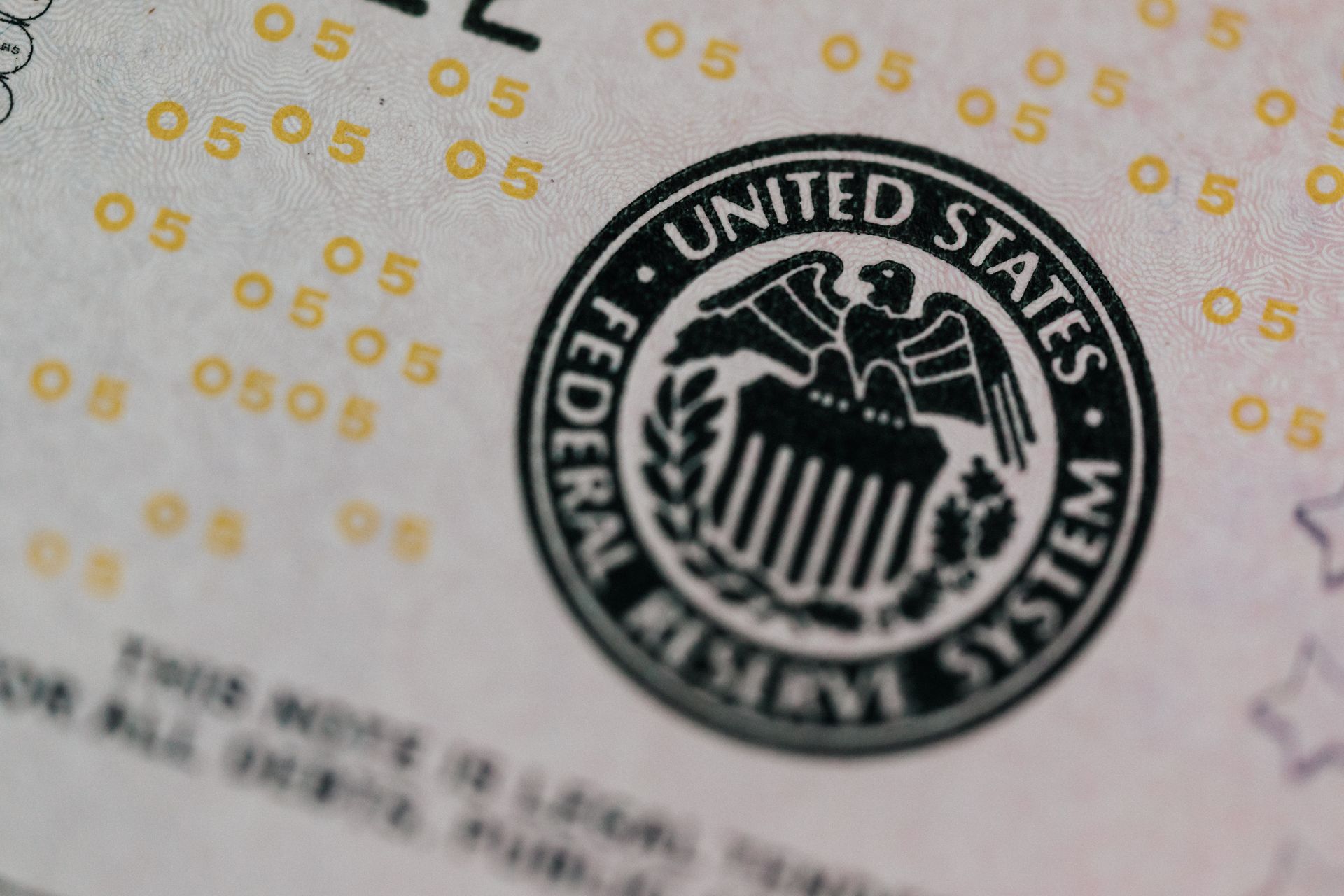
For months, investors have been hoping that the Federal Reserve would begin cutting interest rates in 2026. However, the latest inflation data, resilient economic growth, and a still-strong labor market suggest that a rate cut is becoming increasingly unlikely in the near term.
The real question for Wall Street is no longer “When will the Fed cut rates?” Instead, it has become “Will the Fed keep rates unchanged, or could another rate hike still be on the table?”
Inflation Is Still Too High
Although inflation has cooled significantly from its peak, it remains above the Federal Reserve’s long-term 2% target.
Officials have repeatedly stated that they need greater confidence that inflation is moving sustainably toward that goal before considering any rate cuts.
As long as inflation remains sticky, the Fed has little incentive to ease monetary policy.
The U.S. Economy Remains Surprisingly Strong
One of the biggest reasons the Fed is in no hurry to cut rates is the resilience of the U.S. economy.
Recent economic data continues to show:
- Strong consumer spending.
- A healthy labor market.
- Stable business investment.
- Positive GDP growth.
With the economy continuing to expand, the Federal Reserve has room to maintain a restrictive policy stance.
Could Another Rate Hike Happen?
While most economists expect the Fed to leave interest rates unchanged at upcoming meetings, another rate hike cannot be completely ruled out.
A hike could become more likely if:
- Inflation accelerates again.
- Oil prices remain elevated for an extended period.
- Wage growth fuels additional price pressures.
- Consumer demand remains unexpectedly strong.
In that scenario, policymakers may conclude that current interest rates are not restrictive enough.
What Markets Are Pricing In
Financial markets currently expect the Federal Reserve to hold interest rates steady rather than begin an immediate easing cycle.
Investors are becoming increasingly cautious after several Fed officials emphasized that policy decisions will remain data-dependent.
This means every major inflation report, employment report, and GDP release could significantly influence market expectations.
What This Means for Gold, Stocks, and the Dollar
If the Fed keeps rates unchanged:
- The U.S. dollar could remain relatively strong.
- Treasury yields may stay elevated.
- Gold could experience short-term volatility.
- Stock markets may continue reacting to economic data rather than expecting policy support.
If another rate hike becomes necessary, financial conditions could tighten further, putting additional pressure on equities and precious metals.
Risks That Could Change Everything
Several developments could alter the Fed’s outlook:
- A sharp slowdown in economic growth.
- Rising unemployment.
- A rapid decline in inflation.
- Financial market stress.
- Unexpected geopolitical events affecting global demand.
Any of these factors could eventually reopen the door to future rate cuts.
Finbite Analysis
At this stage, the Federal Reserve appears focused on maintaining credibility in its fight against inflation rather than supporting financial markets.
A rate cut in the immediate future looks increasingly unlikely unless economic conditions weaken significantly. The most probable outcome is that the Fed keeps rates unchanged for an extended period, while retaining the option to raise rates again if inflation unexpectedly rebounds.
For investors, the era of assuming quick policy easing may be over. Instead, markets should prepare for “higher for longer” interest rates until inflation convincingly returns to the Fed’s target.