
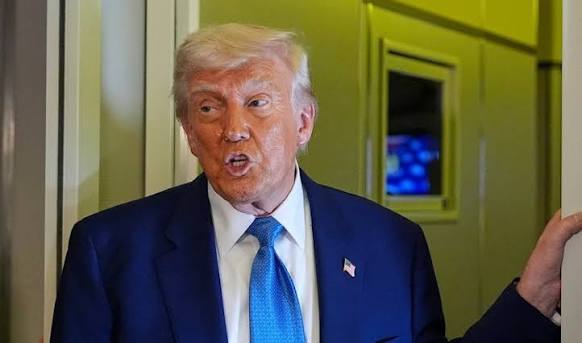
Global financial markets are once again focusing on trade policy after former U.S. President Donald Trump signaled that he could impose broader tariffs on imported goods if his administration expands its trade agenda. Investors fear that another wave of tariffs could increase inflation, disrupt supply chains, and create volatility across stock markets.
Wall Street traders reacted cautiously as investors evaluated the potential impact on corporate earnings, manufacturing costs, and consumer prices. While tariffs are often designed to protect domestic industries, economists warn they can also increase costs for businesses and consumers.
Why Tariffs Matter to Investors
Tariffs are taxes placed on imported products. Companies importing goods into the United States generally pay these taxes, and many pass the higher costs on to consumers.
Higher tariffs may lead to:
- Rising consumer prices
- Higher inflation
- Lower corporate profit margins
- Increased market volatility
- Slower global trade growth
Technology companies, automobile manufacturers, retailers, and industrial firms are among the sectors that could be most affected if tariffs expand.
Stock Market Reaction
Investors typically become cautious whenever trade tensions rise.
Major U.S. indices have historically experienced increased volatility during periods of aggressive tariff announcements because investors worry about:
- Reduced international sales
- Higher manufacturing expenses
- Slower economic growth
- Pressure on company earnings
Safe-haven assets such as gold and U.S. Treasury bonds often attract investors during uncertain periods.
Inflation Could Return as a Major Concern
The biggest concern surrounding new tariffs is inflation.
If import costs rise, businesses may increase prices for:
- Electronics
- Clothing
- Household products
- Vehicles
- Industrial equipment
Persistent inflation could also influence future decisions by the Federal Reserve regarding interest rates.
Industries That Could Benefit
Not every industry would suffer.
Some domestic manufacturers could benefit if imported products become more expensive.
Potential winners include:
- U.S. steel producers
- Domestic manufacturing companies
- Defense contractors
- Selected industrial firms
Companies with limited dependence on imported materials may also perform relatively better.
Risks for Global Markets
International markets are also watching closely.
Countries heavily dependent on exports to the United States could experience slower growth if tariffs reduce trade volumes.
Emerging markets, manufacturing hubs, and multinational corporations may face additional uncertainty if global supply chains become disrupted.
What Investors Should Watch
Investors should closely monitor:
- Official tariff announcements
- Inflation reports
- Federal Reserve policy decisions
- Corporate earnings guidance
- Manufacturing and trade data
These indicators will help determine whether tariffs have a lasting impact on economic growth.
Expert Outlook
Market analysts believe uncertainty is likely to remain elevated until more details emerge regarding future trade policy.
Long-term investors are generally advised to stay diversified rather than making emotional decisions based on short-term headlines. Historically, markets have recovered from periods of trade-related volatility, although individual sectors often experience significant fluctuations.
Conclusion
Trade policy remains one of the biggest factors influencing global financial markets. Any expansion of tariffs could affect inflation, corporate earnings, and investor sentiment in the months ahead. While some industries may benefit from increased domestic protection, broader market uncertainty is expected to remain high as investors wait for further policy developments.